
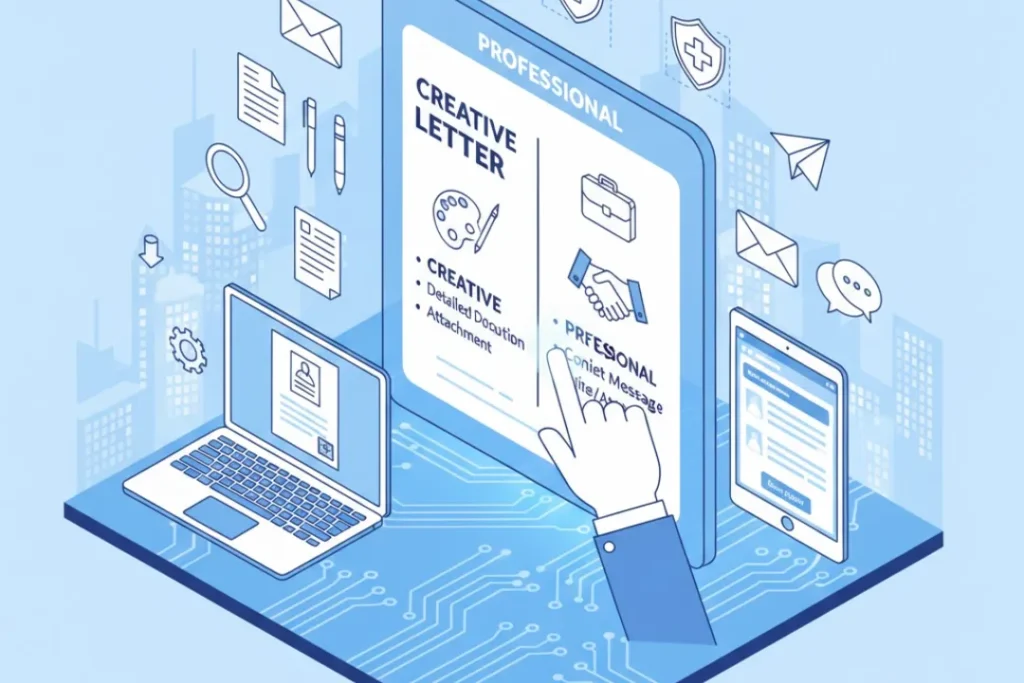
Creative vs Professional Cover Letters: What’s Best?
The cover letter remains one of the most debated elements of the job application process. While some candidates swear by traditional, buttoned-up approaches, others have landed dream positions with bold, creative presentations. The question isn’t simply which style is better, but rather which approach aligns with your industry, the specific role, and the company culture you’re hoping to join. Understanding the fundamental differences between creative and professional cover letters can help you make an informed decision that maximizes your chances of standing out for the right reasons. The Traditional Professional Cover Letter The professional cover letter follows a time-tested format that hiring managers across industries recognize immediately. It opens with your contact information and the employer’s details, followed by a formal salutation. The body typically consists of three to four concise paragraphs: an introduction stating the position you’re applying for, a middle section highlighting relevant qualifications and achievements, and a closing paragraph expressing enthusiasm and requesting an interview. This approach works because it’s familiar, scannable, and respects the hiring manager’s time. When recruiters sift through hundreds of applications, they appreciate the ability to quickly locate key information. Professional cover letters demonstrate that you understand business communication norms and can adapt to corporate environments. The language in professional cover letters tends toward formal without being stuffy. You’ll use complete sentences, avoid slang, and maintain a respectful tone throughout. Achievements are presented with specific metrics when possible, such as “increased sales by 35%” or “managed a team of twelve employees.” The focus remains squarely on your qualifications and how they align with the job requirements. The Creative Cover Letter Approach Creative cover letters break from convention in various ways. Some candidates design visually striking documents with infographics, color schemes, and unconventional layouts. Others maintain a standard format but inject personality through storytelling, humor, or unexpected opening lines. A creative cover letter might begin with an anecdote, pose a provocative question, or even include a relevant pop culture reference. The goal of a creative approach is to be memorable. In competitive fields where many candidates possess similar qualifications, a creative cover letter can help you rise above the noise. It demonstrates initiative, personality, and often gives hiring managers a preview of your creative thinking or design skills. However, creative cover letters carry inherent risks. What one hiring manager finds refreshing, another might perceive as unprofessional or gimmicky. The key is knowing when creativity enhances your application and when it detracts from your core message. Industry Matters More Than You Think Your industry should heavily influence your approach. Creative fields like advertising, graphic design, marketing, content creation, and entertainment often welcome or even expect creative cover letters. These industries value innovation and original thinking, so a creative approach can serve as a portfolio piece itself. Conversely, conservative industries like law, finance, healthcare, government, and academia typically favor traditional professional cover letters. These sectors prioritize stability, attention to detail, and adherence to established protocols. A overly creative cover letter in these contexts might suggest you don’t understand the professional culture. Technology companies often fall somewhere in the middle. Startups and companies with casual cultures might appreciate creativity, while established tech corporations may prefer traditional formats. Research the company’s values and culture before deciding. Reading the Company Culture Beyond industry norms, individual company culture matters enormously. A law firm that emphasizes innovation and disruption might be more receptive to creative approaches than their traditional competitors. Similarly, a marketing agency with a corporate client base might prefer professional presentations. Investigate the company’s website, social media presence, and employee reviews. Look at how they present themselves to the world. Do they use playful language or maintain a serious tone? Are their job postings formal or conversational? These clues can guide your decision. Pay attention to the job posting itself. If it lists “creativity” or “innovative thinking” as key requirements, this might signal openness to a creative approach. If it emphasizes “professionalism” and “attention to detail,” stick with tradition. The Hybrid Approach Many successful job seekers find that a hybrid approach offers the best of both worlds. This means maintaining a professional structure and format while infusing elements of personality and creativity into the content. For example, you might open with a brief, engaging story that illustrates your passion for the field, then transition into a more traditional presentation of qualifications. Or you could maintain traditional formatting but use vivid, specific language that brings your experiences to life rather than simply listing accomplishments. The hybrid approach allows you to stand out while minimizing risk. It shows personality without sacrificing professionalism, making it suitable for a wider range of industries and companies. Making Your Decision Start by honestly assessing your own strengths and the role you’re pursuing. If you’re applying for a graphic designer position but submit a plain text cover letter, you’re missing an opportunity to showcase your skills. Conversely, if you’re pursuing a compliance officer role, an elaborate design might raise questions about your judgment. Consider the hiring manager’s perspective. They’re looking for someone who can succeed in the role and fit within the company culture. Your cover letter should demonstrate both capabilities while remaining authentic to who you are. Remember that creativity doesn’t always mean visual pizzazz. Sometimes the most creative thing you can do is articulate your value proposition in a clear, compelling way that no one else has. Professional doesn’t have to mean boring, and creative doesn’t have to mean chaotic. The Bottom Line Neither creative nor professional cover letters are inherently superior. The best choice depends on your industry, the specific company, the role requirements, and your personal brand. When in doubt, lean slightly toward professionalism with carefully chosen creative elements. This approach respects conventions while still allowing your personality to shine through, giving you the flexibility to adapt to whatever opportunities come your way.