
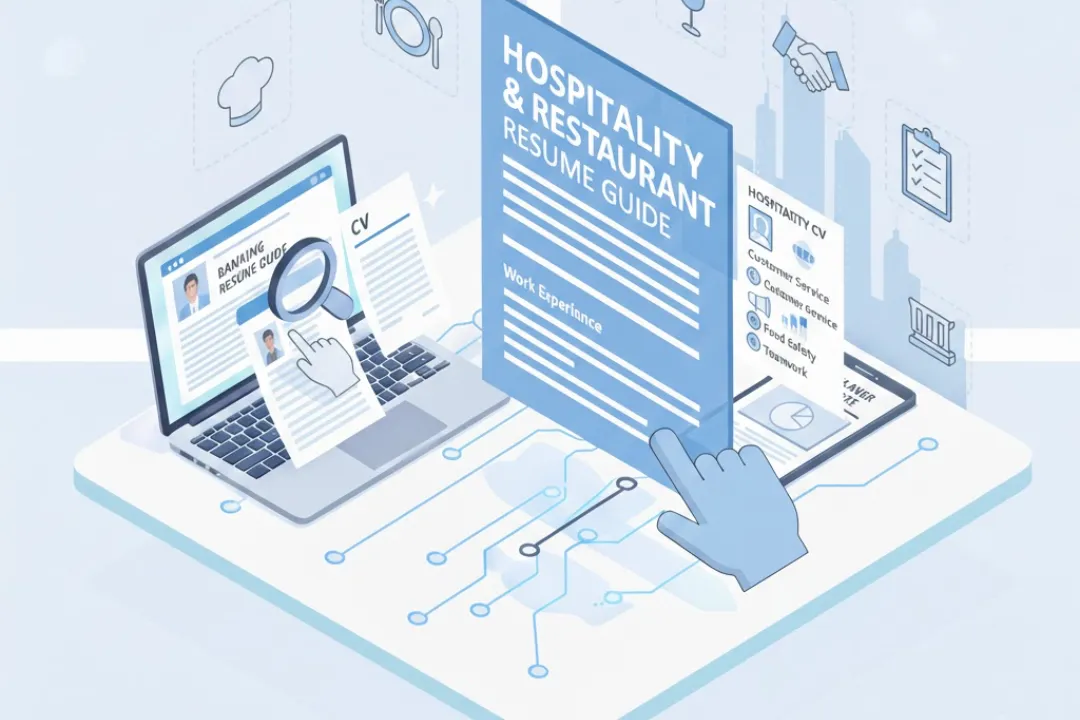
Breaking into the hospitality and restaurant industry requires more than just a passion for service—it demands a resume that showcases your unique skills, experience, and dedication to creating exceptional guest experiences. Whether you’re applying for front-of-house positions, culinary roles, or hotel management, your resume is your first opportunity to make a lasting impression.
Understanding the Hospitality Resume Landscape
The hospitality and restaurant sectors are among the most competitive in the job market, with employers receiving dozens of applications for each position. Your resume needs to immediately demonstrate your value, professionalism, and fit for the role. Unlike corporate resumes, hospitality resumes must balance technical skills with soft skills, emphasizing customer service excellence, teamwork, and adaptability.
Essential Components of a Winning Hospitality Resume
Contact Information and Professional Summary
Start your resume with clear, current contact information including your name, phone number, professional email address, and city of residence. Follow this with a compelling professional summary—a three to four sentence paragraph that highlights your experience level, key strengths, and career objectives. For example, a server might write: “Customer-focused hospitality professional with 5+ years of fine dining experience, specializing in wine service and guest relations. Proven track record of exceeding sales targets while maintaining 98% positive guest feedback scores.”
Highlighting Relevant Experience
Your work experience section should be the centerpiece of your hospitality resume. List positions in reverse chronological order, including the establishment name, location, your job title, and employment dates. Rather than simply listing duties, focus on achievements and quantifiable results. Use action verbs like “coordinated,” “managed,” “trained,” or “increased” to demonstrate your impact.
For instance, instead of writing “Responsible for taking orders,” try “Served an average of 60+ guests per shift while maintaining a 95% accuracy rate and generating $2,000+ in daily sales.” These specific metrics help hiring managers understand your capabilities and work volume.
Skills Section: Balance Hard and Soft Skills
Hospitality employers seek candidates with both technical proficiency and interpersonal excellence. Your skills section should include:
Hard Skills: Point-of-sale (POS) systems, reservation software (OpenTable, Resy), food safety certifications, beverage knowledge, inventory management, menu planning, or multilingual abilities.
Soft Skills: Customer service, communication, problem-solving, time management, multitasking, teamwork, stress management, and attention to detail.
Tailor this section to match keywords from the job description, as many employers use applicant tracking systems (ATS) to filter resumes before human review.
Industry-Specific Resume Tips by Role
Front-of-House Positions
For servers, hosts, bartenders, and front desk agents, emphasize guest interaction skills, upselling abilities, and service speed. Mention any training in wine service, cocktail preparation, or concierge services. Highlight awards like “Employee of the Month” or recognition for outstanding guest feedback.
Back-of-House Culinary Roles
Chefs, line cooks, and kitchen staff should focus on culinary techniques, cuisine specialties, kitchen equipment proficiency, and food safety certifications. Include any formal culinary education, apprenticeships, or work under notable chefs. Mention your ability to work in high-volume environments and maintain consistency under pressure.
Management Positions
Restaurant managers, hotel supervisors, and hospitality directors need resumes that showcase leadership, operational efficiency, and business acumen. Highlight accomplishments such as staff development, cost reduction, revenue growth, improved guest satisfaction scores, or successful event coordination. Include relevant certifications like ServSafe Manager or hospitality management degrees.
Formatting Best Practices
Keep your hospitality resume to one page if you have less than ten years of experience, or two pages for extensive careers. Use a clean, professional layout with consistent formatting, readable fonts (10-12 point), and adequate white space. Avoid decorative elements that might not translate well through ATS software.
Consider using a chronological format for straightforward career progression, a functional format if you’re changing specialties within hospitality, or a combination format to highlight both skills and experience.
Education and Certifications
List your educational background, including degrees, diplomas, or relevant coursework in hospitality management, culinary arts, or tourism. Equally important are industry certifications that demonstrate your commitment to professional standards:
- ServSafe Food Handler or Manager Certification
- TIPS or responsible alcohol service training
- Certified Hospitality Professional (CHP)
- Sommelier certifications
- First Aid and CPR
- Language proficiency certifications
Common Mistakes to Avoid
Don’t use generic objective statements—employers want to know what you offer them, not what you want from them. Avoid resume clichés like “hard worker” or “team player” without evidence. Never include reasons for leaving previous positions or negative comments about former employers.
Grammar and spelling errors are particularly damaging in hospitality resumes, as attention to detail is crucial in guest-facing roles. Proofread multiple times and consider having a trusted colleague review your document.
Optimizing for Applicant Tracking Systems
Many hospitality chains and larger establishments use ATS to screen resumes. To optimize yours, incorporate keywords from the job posting naturally throughout your resume. Use standard section headings like “Work Experience” and “Education” rather than creative alternatives. Save your resume as a .docx or PDF file with a simple, professional filename like “FirstName_LastName_Resume.pdf.”
The Final Touch: Customization
The most successful hospitality professionals customize their resumes for each application. Research the establishment’s style, values, and service philosophy, then adjust your resume to emphasize relevant experience and skills. A fine dining applicant should highlight elegance and attention to detail, while a fast-casual position might prioritize efficiency and volume management.
Conclusion
Your hospitality and restaurant resume is more than a document—it’s your personal marketing tool in a competitive industry. By focusing on quantifiable achievements, balancing technical and interpersonal skills, and presenting a polished, professional image, you’ll significantly increase your chances of landing interviews and securing your ideal position. Remember, every detail matters in hospitality, and your resume should reflect the same excellence you bring to guest service.
Take the time to craft a resume that truly represents your talents, and you’ll be well on your way to advancing your hospitality career.