
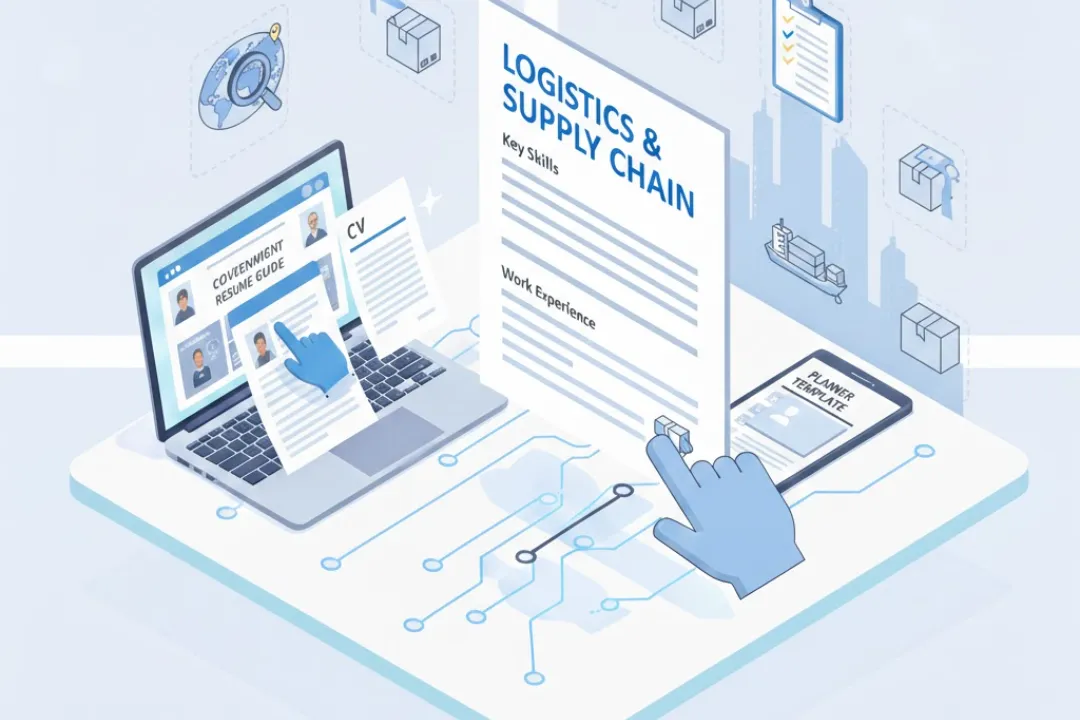
The logistics and supply chain industry continues to evolve rapidly, with companies seeking professionals who can navigate complex global networks, leverage technology, and drive operational excellence. Whether you’re an experienced supply chain manager or entering the field, your resume serves as your first impression with potential employers. This comprehensive guide will help you craft a logistics resume that captures attention and lands interviews.
Understanding the Logistics Job Market
The logistics and supply chain sector has transformed significantly in recent years. E-commerce growth, automation, sustainability initiatives, and supply chain resilience have become central concerns for organizations worldwide. Employers now seek candidates who combine traditional logistics expertise with digital literacy, analytical skills, and adaptability. Your resume must reflect this modern landscape while highlighting your unique value proposition.
Essential Components of a Logistics Resume
Professional Summary
Start with a compelling professional summary that immediately communicates your experience level and specialization. This two-to-four sentence section should highlight your years of experience, key areas of expertise, and notable achievements. For example, a warehouse manager might emphasize their track record in reducing operational costs while improving safety metrics, whereas a procurement specialist would focus on supplier relationship management and cost savings delivered.
Core Competencies Section
Create a dedicated skills section featuring both hard and soft skills relevant to logistics and supply chain management. Hard skills might include inventory management systems like SAP or Oracle, transportation management software, demand forecasting, Six Sigma methodologies, and data analysis tools. Soft skills such as leadership, problem-solving, negotiation, and cross-functional collaboration are equally important. Organize these competencies in a scannable format that allows recruiters and applicant tracking systems to quickly identify your qualifications.
Professional Experience
Your work history forms the backbone of your logistics resume. Use reverse chronological order, starting with your most recent position. Rather than simply listing job duties, focus on quantifiable achievements that demonstrate your impact. Did you reduce shipping costs by implementing a new routing system? Improve warehouse efficiency through layout optimization? Negotiate contracts that saved your company significant amounts? Use specific metrics wherever possible, such as percentages, dollar amounts, timeframes, or volume improvements.
When describing your responsibilities, incorporate industry-specific keywords naturally. Terms like “supply chain optimization,” “vendor management,” “inventory control,” “freight forwarding,” “warehouse operations,” and “distribution network” help your resume pass through applicant tracking systems while demonstrating your industry knowledge.
Tailoring Your Resume for Different Logistics Roles
Warehouse and Distribution Positions
For warehouse manager, distribution center supervisor, or fulfillment roles, emphasize your experience with warehouse management systems, safety compliance, team leadership, and operational efficiency improvements. Highlight metrics such as order accuracy rates, throughput improvements, safety incident reductions, and labor productivity gains.
Procurement and Sourcing Roles
Procurement specialists and sourcing managers should showcase their vendor relationship management, contract negotiation skills, cost reduction achievements, and risk mitigation strategies. Include information about the value of contracts managed, supplier diversity initiatives, and any experience with sustainable or ethical sourcing practices.
Transportation and Logistics Coordination
Transportation managers and logistics coordinators need to demonstrate expertise in route optimization, carrier management, freight cost control, and regulatory compliance. Mention experience with different transportation modes, knowledge of customs procedures for international shipping, and any technology platforms used for shipment tracking and management.
Supply Chain Analysis and Planning
For analyst and planning positions, emphasize your technical skills with forecasting software, ERP systems, and data visualization tools. Showcase projects where your analysis led to improved inventory turns, reduced stockouts, or enhanced demand planning accuracy. Demonstrate your ability to translate data into actionable insights.
Certifications and Education
The logistics field offers numerous professional certifications that can significantly strengthen your resume. Include relevant credentials such as Certified Supply Chain Professional (CSCP), Certified in Production and Inventory Management (CPIM), Certified Professional in Supply Management (CPSM), or Six Sigma certifications. These designations signal commitment to professional development and validate your expertise.
List your educational background, including degree type, major, institution name, and graduation year. If you’re a recent graduate, you might include relevant coursework, academic projects, or honors. For experienced professionals, education typically appears near the end of the resume unless you have advanced degrees directly relevant to the position.
Technical Skills and Software Proficiency
Modern logistics professionals must demonstrate technological competence. Create a dedicated section listing relevant software and systems experience, including warehouse management systems, transportation management systems, ERP platforms like SAP or Oracle, inventory management software, and data analysis tools such as Excel, Tableau, or Power BI. If you have experience with emerging technologies like artificial intelligence for demand forecasting or blockchain for supply chain transparency, definitely include these cutting-edge skills.
Formatting and Presentation Best Practices
Keep your logistics resume clean, professional, and easy to scan. Use consistent formatting with clear section headers, appropriate white space, and professional fonts. Aim for one page if you have less than ten years of experience, or two pages for more extensive careers. Ensure your contact information is current and includes a professional email address and LinkedIn profile URL.
Avoid common mistakes such as using passive language, including irrelevant work experience, or creating dense blocks of text. Use bullet points for easy readability and action verbs to begin each achievement statement.
Final Optimization Tips
Before submitting your logistics resume, carefully review the job description and incorporate relevant keywords naturally throughout your document. Proofread multiple times to eliminate any typos or grammatical errors. Consider having a colleague or professional resume reviewer provide feedback. Finally, save your resume as a PDF to preserve formatting unless the job posting specifically requests a different format.
Your logistics and supply chain resume is more than a list of past jobs; it’s a marketing document that positions you as the solution to an employer’s needs. By following this guide and customizing your approach for each application, you’ll create a powerful resume that opens doors to exciting career opportunities in this dynamic field.