
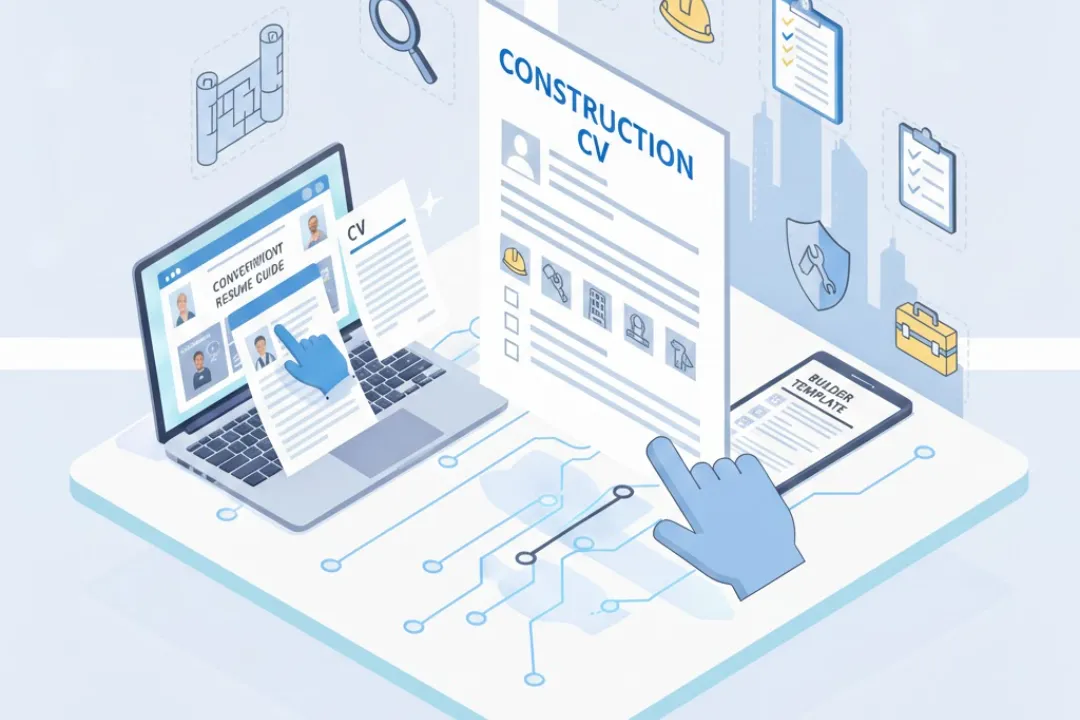
Building a strong construction resume is as important as laying a solid foundation for any structure. Whether you’re a seasoned project manager, skilled tradesperson, or entry-level laborer, your resume serves as the blueprint for your career advancement. This comprehensive guide will help you construct a resume that stands out to hiring managers and secures you more interviews in the competitive construction industry.
Understanding the Construction Industry Resume
The construction sector values practical skills, safety awareness, and proven experience. Unlike corporate resumes that emphasize soft skills and achievements, construction resumes must demonstrate technical competencies, certifications, and hands-on expertise. Hiring managers in this field typically spend less than 30 seconds scanning each resume, making clarity and relevance absolutely critical.
Your construction resume should immediately communicate your trade specialty, years of experience, and key qualifications. This direct approach respects the no-nonsense culture prevalent in construction while ensuring your most valuable assets are front and center.
Essential Components of a Construction Resume
Contact Information and Professional Summary
Start with your full name, phone number, professional email address, and location (city and state). Avoid using unprofessional email addresses, as they can immediately disqualify you from consideration.
Follow this with a compelling professional summary that captures your expertise in three to four sentences. This section should highlight your specialization, years of experience, and most impressive qualifications. For example: “Licensed electrician with 8+ years of commercial and residential experience. OSHA 30-Hour certified with expertise in blueprint reading, electrical code compliance, and team leadership on projects exceeding $2 million.”
Core Competencies and Skills
Construction employers need to quickly identify whether you possess the specific skills they require. Create a dedicated skills section that includes both technical and soft skills relevant to your target position.
Technical skills might include equipment operation (forklifts, excavators, cranes), software proficiency (AutoCAD, Procore, Bluebeam), specialized techniques (welding, concrete finishing, framing), and trade-specific abilities. Don’t forget to list your safety certifications, including OSHA training, CPR/First Aid, confined space entry, or scaffold competency.
Soft skills valuable in construction include problem-solving, attention to detail, communication, teamwork, time management, and adaptability. While technical skills get you noticed, soft skills often determine whether you’re ultimately hired.
Showcasing Your Work Experience
The work experience section forms the foundation of your construction resume. List your positions in reverse chronological order, including company name, location, job title, and employment dates.
For each role, focus on quantifiable achievements rather than basic job duties. Instead of writing “Responsible for framing,” try “Completed framing for 15+ residential projects averaging 2,500 square feet, consistently finishing ahead of schedule.” Numbers provide concrete evidence of your capabilities and impact.
Highlight project-specific accomplishments such as completing work under budget, reducing waste, improving safety records, or implementing efficiency improvements. If you’ve worked on notable projects like hospitals, stadiums, or high-rise buildings, mention them by name to add credibility and demonstrate your ability to handle complex work.
Use action verbs that resonate in the construction industry: constructed, installed, operated, coordinated, supervised, inspected, maintained, fabricated, and implemented. These powerful words create a more dynamic impression than passive language.
Certifications and Licenses
Construction is a highly regulated industry where certifications and licenses can make or break your candidacy. Create a dedicated section for these credentials, listing each with the issuing organization and expiration date if applicable.
Common valuable certifications include OSHA 10-Hour or 30-Hour cards, First Aid/CPR, forklift operator certification, trade-specific licenses (electrical, plumbing, HVAC), welding certifications, and project management credentials like PMP or LEED accreditation.
Keep this information current and be prepared to provide proof during the interview process. Expired certifications can raise red flags about your commitment to professional development.
Education and Training
While many construction positions don’t require traditional four-year degrees, education still matters. List your highest level of education, including trade school programs, apprenticeships, and relevant coursework.
If you completed an apprenticeship program, emphasize this experience as it demonstrates both theoretical knowledge and practical training. Union apprenticeships are particularly respected in the industry and should be prominently featured.
Include any ongoing education or professional development courses that keep your skills current with industry trends, new technologies, or updated building codes.
Formatting Your Construction Resume
Construction resumes should be clean, organized, and easy to scan quickly. Use a professional font like Arial, Calibri, or Times New Roman in 10-12 point size. Maintain consistent formatting with clear section headers, bullet points for easy reading, and adequate white space to prevent a cluttered appearance.
Keep your resume to one or two pages maximum. Entry-level candidates should aim for one page, while experienced professionals with extensive project histories may extend to two pages. Never sacrifice readability for the sake of including every detail of your career.
Common Mistakes to Avoid
Many construction job seekers undermine their applications with preventable errors. Avoid generic resumes that aren’t tailored to specific positions. Customize your resume for each application by incorporating keywords from the job description.
Never exaggerate your skills or experience, as construction expertise is easily verified through practical tests or reference checks. Spelling and grammar errors suggest carelessness, a trait incompatible with safety-critical construction work.
Don’t neglect safety-related information. Employers prioritize candidates who demonstrate safety consciousness through certifications, training, and accident-free work histories.
Conclusion
Creating an effective construction resume requires showcasing your technical skills, safety awareness, and proven track record in a clear, concise format. By emphasizing quantifiable achievements, maintaining current certifications, and tailoring your resume to each position, you’ll significantly improve your chances of landing interviews and securing your next construction opportunity. Remember that your resume is your personal marketing tool—invest the time to make it as solid as the structures you build.