
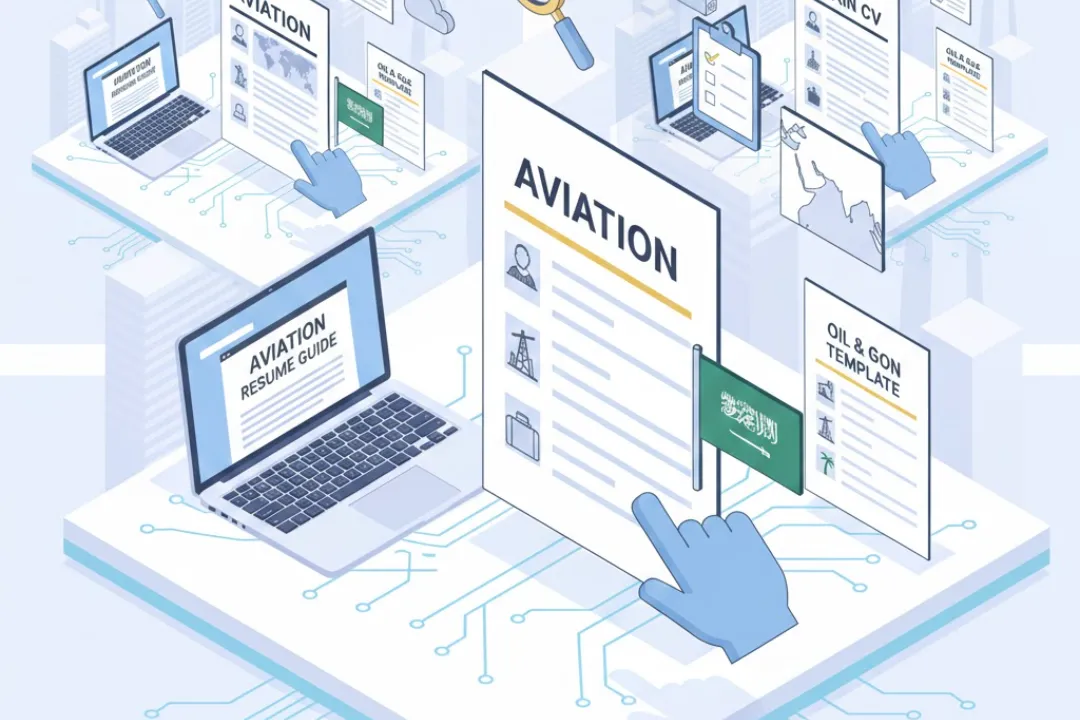
Breaking into the aviation industry requires more than just a passion for flying. Whether you’re applying for a cabin crew position or seeking ground staff opportunities, your resume serves as your first impression with potential employers. In this comprehensive guide, we’ll walk you through creating a standout aviation industry resume that gets you noticed.
Understanding Aviation Industry Requirements
The aviation sector maintains exceptionally high standards for professionalism, safety, and customer service. Airlines and airport operators receive hundreds of applications for each position, making it crucial to craft a resume that immediately captures attention. Your resume must demonstrate not only your qualifications but also your understanding of the unique demands of aviation careers.
Hiring managers in aviation look for specific attributes: excellent communication skills, cultural sensitivity, crisis management abilities, and impeccable grooming standards. Your resume should reflect these priorities through carefully selected keywords and relevant experience highlights.
Essential Resume Sections for Aviation Professionals
Contact Information and Professional Summary
Start with your full name, phone number, professional email address, and city of residence. Avoid including your full street address for privacy reasons. Consider adding your LinkedIn profile if it’s professionally maintained.
Your professional summary should be a compelling three-to-four sentence paragraph that encapsulates your aviation experience, key skills, and career objectives. For cabin crew positions, emphasize customer service excellence, safety awareness, and multilingual abilities. Ground staff applicants should highlight operational efficiency, teamwork, and technical proficiencies.
Skills Section: What Airlines Want to See
Create a dedicated skills section featuring both hard and soft skills relevant to aviation. For cabin crew, include first aid certification, language proficiencies, conflict resolution, and in-flight service expertise. Ground staff should list computer reservation systems (like Amadeus or Sabre), baggage handling certifications, security clearances, and customer service platforms.
Technical skills matter significantly in aviation. Mention any familiarity with aviation software, safety management systems, or industry-specific tools. If you hold certifications like IATA training, dangerous goods handling, or aviation security qualifications, prominently feature them.
Work Experience: Showcasing Your Aviation Journey
List your work experience in reverse chronological order, starting with your most recent position. For each role, include the company name, location, your job title, and employment dates. Use bullet points to describe your responsibilities and achievements.
Quantify your accomplishments whenever possible. Instead of writing “Provided excellent customer service,” try “Served 300+ passengers daily while maintaining a 98% customer satisfaction rating.” Numbers make your contributions tangible and memorable.
For cabin crew applicants transitioning from other industries, highlight transferable skills. Hospitality, healthcare, retail, and teaching backgrounds all provide relevant experience. Emphasize scenarios where you managed emergencies, worked irregular hours, handled diverse populations, or maintained composure under pressure.
Ground staff candidates should detail their experience with check-in procedures, boarding gate operations, luggage handling, or customer complaint resolution. Showcase your ability to work in fast-paced environments while adhering to strict regulations and deadlines.
Education and Certifications
List your educational background, including degrees, diplomas, and relevant coursework. While a university degree isn’t always mandatory for aviation roles, it can provide a competitive advantage. Include your graduation year only if it’s recent; otherwise, omit dates to avoid age discrimination.
Certifications carry substantial weight in aviation. Include any aviation-specific training such as cabin crew courses, ground handling certifications, first aid and CPR qualifications, food safety training, or security awareness programs. If you’re currently pursuing a certification, list it as “in progress” with an expected completion date.
Language Skills: Your Competitive Edge
The aviation industry highly values multilingual candidates. Create a separate section for language proficiencies, indicating your level of fluency (native, fluent, conversational, or basic). English proficiency is mandatory, but additional languages like Arabic, Mandarin, Spanish, or French significantly enhance your candidacy.
Be honest about your language abilities, as airlines often conduct interviews in multiple languages to verify proficiency claims.
Formatting and Presentation Tips
Aviation resumes should be immaculately formatted and error-free. Use a clean, professional font like Arial or Calibri in 10-12 point size. Maintain consistent spacing and alignment throughout. Keep your resume to one or two pages maximum; conciseness demonstrates respect for the recruiter’s time.
Avoid creative designs, colors, or graphics unless applying for marketing or design roles within aviation companies. The industry values professionalism and clarity over artistic expression. However, ensure your resume isn’t dull—use bold text strategically to highlight section headers and company names.
Common Mistakes to Avoid
Never include unprofessional email addresses, outdated photos (unless specifically requested with exact specifications), irrelevant hobbies, or controversial information. Avoid generic objective statements that could apply to any industry. Don’t exaggerate qualifications or make false claims about certifications you don’t possess, as airlines conduct thorough background checks.
Spelling and grammatical errors are unacceptable in aviation resumes. They suggest carelessness and poor attention to detail—qualities that directly contradict the precision required in aviation safety. Proofread multiple times and consider having someone else review your resume before submission.
Tailoring Your Resume for Specific Airlines
Research each airline’s culture, values, and service standards before applying. Middle Eastern carriers like Emirates and Etihad emphasize luxury service and cultural diversity. Budget airlines like Ryanair or Southwest prioritize efficiency and adaptability. Legacy carriers like British Airways or Lufthansa value tradition and operational excellence.
Customize your resume to mirror the language used in job descriptions. If an airline emphasizes “guest experience,” use that terminology rather than “customer service.” This demonstrates cultural fit and attention to detail.
Final Thoughts
Your aviation industry resume is more than a document; it’s your ticket to an exciting career above the clouds or on the ground at bustling airports. By following these guidelines, highlighting relevant skills, and presenting yourself professionally, you’ll significantly improve your chances of landing interviews with top airlines and aviation companies. Remember, persistence pays off in this competitive industry—keep refining your resume and don’t give up on your aviation dreams.