
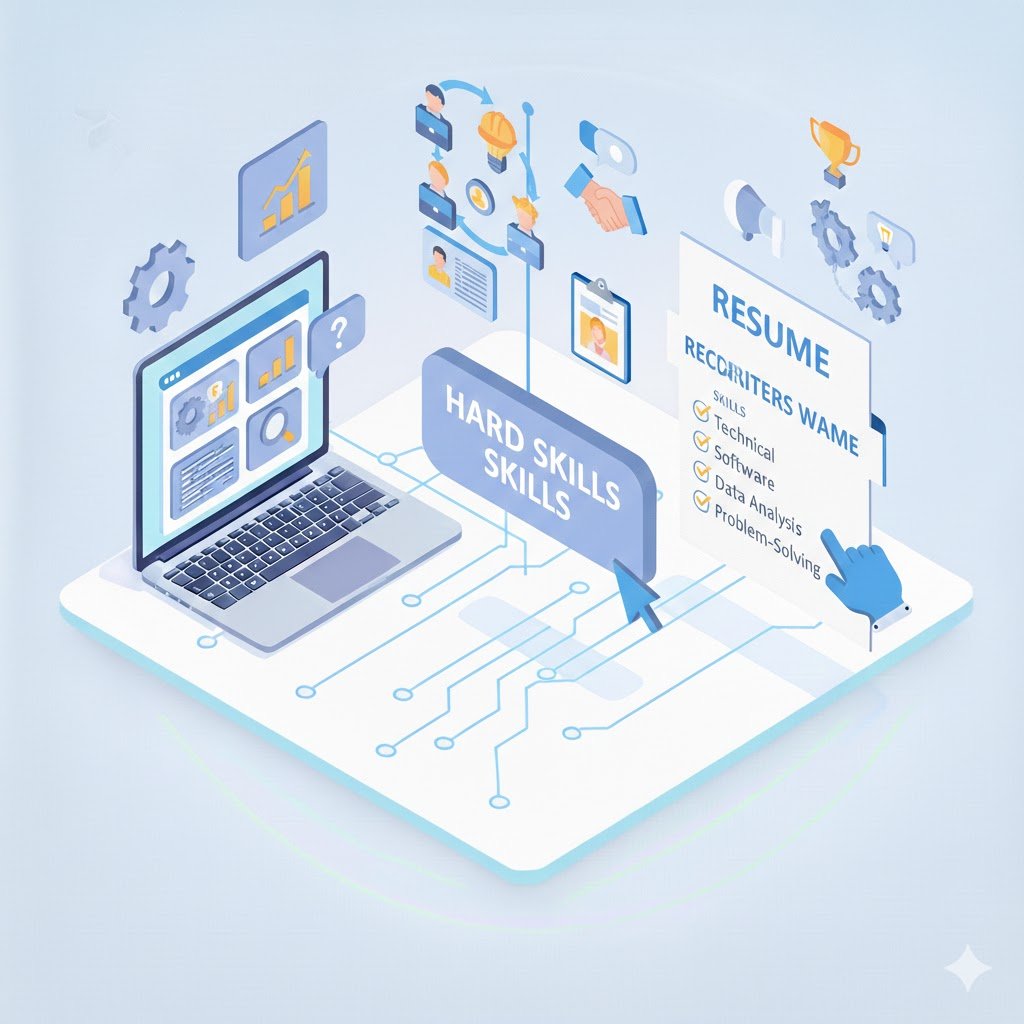
In today’s competitive job market, understanding the distinction between soft skills and hard skills can be the difference between landing your dream job and being overlooked. Recruiters increasingly seek candidates who possess a balanced combination of both skill types, recognizing that technical expertise alone doesn’t guarantee workplace success. This comprehensive guide explores what these skills are, why they matter, and how you can develop and showcase them to stand out from the competition.
Defining Hard Skills and Soft Skills
Hard skills are specific, teachable abilities that can be measured and quantified. These technical competencies are typically acquired through formal education, training programs, certifications, or hands-on experience. Examples include programming languages like Python or Java, data analysis, accounting principles, graphic design software proficiency, foreign language fluency, or medical procedures. Hard skills are straightforward to demonstrate through degrees, certificates, test scores, or portfolio work.
Soft skills, conversely, are interpersonal attributes and personality traits that determine how you interact with others and approach your work. These include communication, leadership, teamwork, problem-solving, adaptability, time management, emotional intelligence, and critical thinking. Unlike hard skills, soft skills are more challenging to measure and often develop through life experiences, self-awareness, and intentional practice.
Why Recruiters Value Both Skill Types
Modern recruiters understand that the most effective employees bring both technical expertise and strong interpersonal capabilities to their roles. Hard skills get you through the door—they prove you can perform the basic functions of a job. However, soft skills determine how well you’ll thrive in the role, collaborate with team members, and contribute to organizational culture.
Research consistently shows that employees are rarely terminated for lacking technical skills. Instead, most workplace failures stem from poor communication, inability to work in teams, lack of adaptability, or insufficient problem-solving abilities. LinkedIn’s 2024 Workplace Learning Report revealed that 92% of talent professionals consider soft skills equally or more important than hard skills, with leadership, communication, and collaboration topping the list of desired competencies.
The Evolving Recruiter Perspective
The recruitment landscape has shifted dramatically over the past decade. While hard skills remain essential for initial screening and ensuring baseline competency, recruiters increasingly prioritize soft skills during the interview and selection process. This shift reflects several workplace trends.
Automation and artificial intelligence are transforming job requirements across industries. As routine technical tasks become automated, uniquely human capabilities like creativity, emotional intelligence, and complex problem-solving become more valuable. Recruiters recognize that candidates with strong soft skills can adapt to technological changes, learn new hard skills as needed, and navigate uncertainty more effectively.
Additionally, the rise of remote and hybrid work models has elevated the importance of self-motivation, communication, and digital collaboration skills. Recruiters now seek candidates who can work independently, communicate clearly across digital platforms, and maintain productivity without direct supervision.
Industry-Specific Skill Priorities
Different industries emphasize different skill combinations, though the trend toward valuing both types remains consistent. Technology companies traditionally focused heavily on hard skills like coding, system architecture, and data manipulation. However, even tech giants now prioritize soft skills, recognizing that innovative solutions emerge from collaborative teams with diverse perspectives and strong communication abilities.
Healthcare professionals must master extensive hard skills—medical knowledge, diagnostic techniques, and treatment procedures. Yet patient outcomes improve significantly when healthcare workers demonstrate empathy, active listening, and clear communication. Recruiters in this field increasingly seek candidates who can balance technical expertise with compassionate patient care.
In creative industries like marketing, advertising, and design, the blend is equally crucial. Hard skills in design software, analytics tools, or content management systems establish credibility, while creativity, strategic thinking, and client relationship management determine long-term success.
Developing Your Hard Skills
Strengthening your hard skills requires structured learning and deliberate practice. Identify skill gaps by researching job descriptions in your target field and noting frequently mentioned technical requirements. Pursue formal education through degree programs, professional certifications, or online courses from platforms like Coursera, LinkedIn Learning, or industry-specific training providers.
Practical application accelerates hard skill development. Seek hands-on projects, whether through your current job, volunteer work, freelance opportunities, or personal projects. Building a portfolio that demonstrates your technical capabilities provides tangible evidence for recruiters and helps you internalize new skills more effectively.
Stay current with industry trends and emerging technologies. Subscribe to relevant publications, attend conferences, participate in webinars, and join professional associations. Many fields evolve rapidly, and demonstrating commitment to continuous learning signals to recruiters that you’ll remain valuable as job requirements change.
Cultivating Your Soft Skills
Soft skill development requires self-awareness, intentionality, and consistent practice. Begin by seeking honest feedback from colleagues, mentors, or supervisors about your interpersonal strengths and areas for improvement. Self-assessment tools like personality tests or emotional intelligence evaluations can provide valuable insights.
Improve communication skills through active practice. Join public speaking groups like Toastmasters, participate in workplace presentations, or practice written communication through blogging or professional correspondence. Effective communication adapts to audience and context, so challenge yourself in diverse situations.
Develop leadership capabilities even without formal management roles. Volunteer to lead projects, mentor junior colleagues, or take initiative in solving team challenges. Leadership encompasses influence, decision-making, and inspiring others—skills you can practice at any career level.
Enhance emotional intelligence by practicing empathy, active listening, and self-regulation. Pay attention to emotional dynamics in workplace interactions, consider others’ perspectives, and manage your reactions to stress or conflict constructively.
Showcasing Skills to Recruiters
Your resume should strategically highlight both skill types. Create a dedicated skills section listing relevant hard skills with proficiency levels or certifications. Throughout your work experience descriptions, demonstrate how you’ve applied both technical abilities and soft skills to achieve results.
Use the STAR method (Situation, Task, Action, Result) to craft compelling examples. Instead of simply stating “strong communication skills,” describe a specific situation where your communication resolved a conflict, secured a client, or improved team efficiency. Quantify results whenever possible.
During interviews, prepare stories that illustrate your skill combinations. Recruiters appreciate candidates who can discuss not just what they accomplished, but how they collaborated, overcame obstacles, and contributed to team success. Provide concrete examples rather than generic claims about being a “team player” or “quick learner.”
Your online presence, particularly LinkedIn, should reinforce your skills through endorsements, recommendations, and content sharing. Engage with industry discussions, share insights, and demonstrate thought leadership in your field. These activities signal both expertise and communication ability.
The Future of Skills in Recruitment
As workplaces continue evolving, the integration of soft and hard skills will become increasingly seamless. Recruiters will seek candidates who demonstrate technical proficiency alongside adaptability, learning agility, and cross-functional collaboration abilities. The ability to acquire new hard skills quickly—itself a soft skill—will become paramount.
Successful job seekers understand that neither skill type alone suffices. The most compelling candidates demonstrate technical competence while articulating how they apply those skills collaboratively, creatively, and strategically. They show not just what they can do, but how they work, learn, and contribute to organizational success.
Conclusion
The soft skills versus hard skills debate presents a false dichotomy. Recruiters don’t want one or the other—they want both. Your technical abilities establish credibility and enable job performance, while your interpersonal skills determine how effectively you’ll collaborate, innovate, and grow within an organization.
Invest in developing both skill types intentionally and showcase them strategically throughout your job search. By demonstrating a balanced skill set backed by concrete examples, you’ll position yourself as the well-rounded candidate recruiters actively seek in today’s complex, dynamic workplace.
Word Count: 1,000 words