
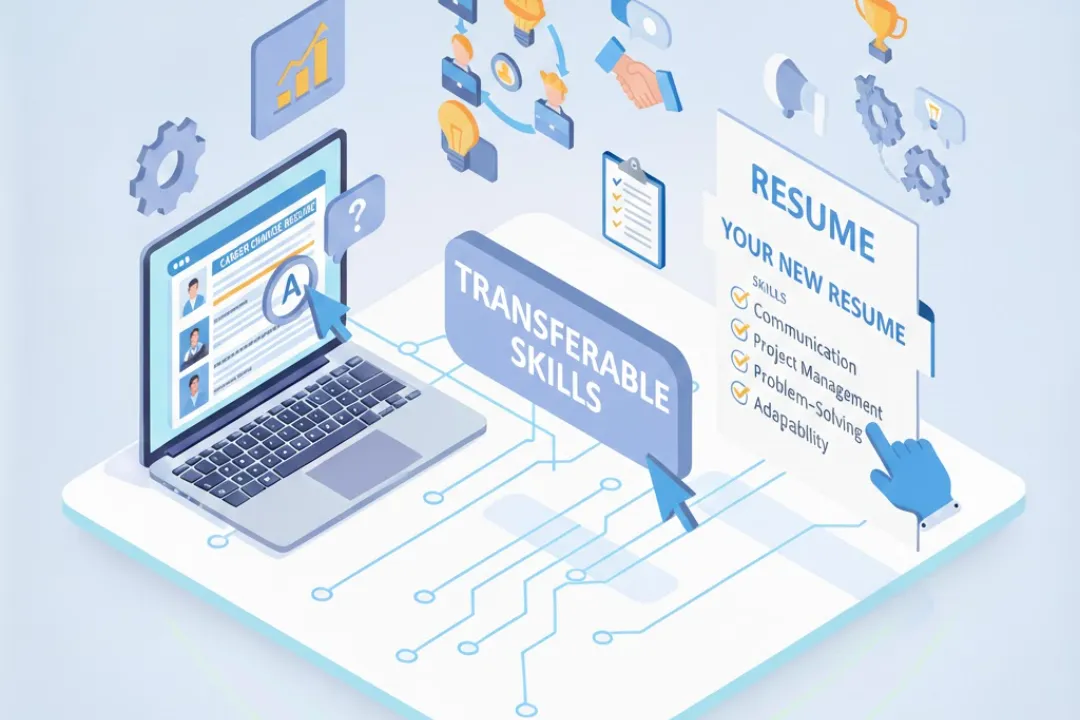
Career transitions have become increasingly common in today’s dynamic job market, with professionals changing careers an average of five to seven times throughout their working lives. Whether you’re seeking better work-life balance, pursuing your passion, or adapting to industry changes, understanding and effectively communicating your transferable skills is the cornerstone of a successful career change. These versatile abilities transcend job titles and industries, serving as the bridge between your current experience and your future aspirations.
Understanding Transferable Skills
Transferable skills are competencies and abilities that remain valuable across different roles, industries, and career paths. Unlike technical skills specific to particular jobs or sectors, transferable skills represent fundamental capabilities that employers value universally. These skills fall into three primary categories: people skills that involve interaction and collaboration, thinking skills that encompass problem-solving and analysis, and self-management skills that demonstrate your ability to work independently and adapt to new environments.
Recognizing your transferable skills requires honest self-assessment and reflection on your professional journey. Consider the challenges you’ve overcome, projects you’ve led, and consistent feedback you’ve received throughout your career. These patterns often reveal core competencies that extend far beyond your current job description.
Critical Transferable Skills for Career Changers
Communication Excellence
Effective communication ranks among the most sought-after transferable skills across virtually every industry. This encompasses written communication such as emails, reports, and presentations, verbal communication including public speaking and interpersonal conversations, and active listening that enables understanding and collaboration. Whether you’re transitioning from teaching to corporate training, healthcare to pharmaceutical sales, or journalism to content marketing, strong communication skills provide immediate value to new employers.
Demonstrate communication skills by highlighting instances where you conveyed complex information to diverse audiences, resolved conflicts through dialogue, created compelling presentations, or wrote documentation that improved organizational processes. These examples translate across industries and immediately signal your ability to contribute effectively.
Leadership and Team Collaboration
Leadership extends beyond formal management positions. Transferable leadership skills include mentoring colleagues, coordinating cross-functional projects, delegating tasks effectively, inspiring and motivating team members, and facilitating productive meetings. Even if you’ve never held a management title, experiences like training new employees, leading volunteer initiatives, or coordinating community projects demonstrate leadership capabilities.
Collaboration skills prove equally valuable, showing your ability to work within teams, respect diverse perspectives, contribute to collective goals, and navigate workplace dynamics. Career changers who can articulate collaborative achievements—such as successful team projects, interdepartmental initiatives, or partnership developments—position themselves as valuable team assets regardless of industry.
Problem-Solving and Critical Thinking
Employers consistently seek professionals who can identify problems, analyze situations, evaluate options, and implement effective solutions. Problem-solving skills transcend industries because every organization faces challenges requiring creative, analytical approaches. Document instances where you identified inefficiencies and proposed improvements, overcame significant obstacles to achieve objectives, analyzed data to inform strategic decisions, or developed innovative solutions to recurring problems.
Critical thinking involves questioning assumptions, evaluating evidence, considering multiple perspectives, and making informed decisions. These cognitive skills prove invaluable whether you’re moving from finance to operations management, engineering to product development, or customer service to user experience design.
Adaptability and Learning Agility
Career changers must embody adaptability—the capacity to adjust to new environments, learn quickly, and remain productive amid uncertainty. Highlight experiences that demonstrate flexibility such as mastering new technologies or software platforms, successfully navigating organizational changes or restructuring, taking on unfamiliar responsibilities outside your job description, or working effectively across different teams or departments.
Learning agility, the ability to rapidly acquire new knowledge and skills, becomes particularly crucial during career transitions. Showcase this through professional development courses you’ve completed, new certifications earned, self-directed learning initiatives, or successful transitions into new roles within previous organizations.
Project Management
Project management skills prove universally valuable, encompassing planning and organization, timeline development and adherence, resource allocation, stakeholder management, and risk assessment and mitigation. Even without formal project management experience, most professionals have coordinated initiatives involving multiple steps, stakeholders, and deadlines.
Articulate project management capabilities by describing specific initiatives you’ve overseen, including scope, challenges faced, and successful outcomes. Whether you managed event planning, product launches, process improvements, or research studies, these experiences demonstrate organizational competence that transfers seamlessly across industries.
Digital Literacy and Technical Aptitude
Modern workplaces demand baseline digital competencies regardless of role or industry. Transferable technical skills include proficiency with productivity software suites, data analysis and spreadsheet capabilities, digital communication platforms, basic troubleshooting abilities, and comfort learning new technologies. While you may not possess industry-specific technical skills when changing careers, demonstrating general technical aptitude and willingness to learn signals your ability to adapt.
Identifying Your Transferable Skills
Begin your skills inventory by reviewing past performance evaluations and feedback to identify consistent strengths. Analyze job descriptions in your target field, noting required skills you already possess. Consider accomplishments you’re most proud of and extract the underlying skills that enabled success. Reflect on challenges you’ve navigated and how you approached them.
Create a comprehensive skills list, then prioritize those most relevant to your target career. This inventory becomes the foundation for updating your resume, preparing for interviews, and confidently articulating your value to potential employers in new industries.
Communicating Transferable Skills Effectively
Successfully changing careers requires strategically positioning your transferable skills rather than simply listing them. Use concrete examples that demonstrate impact, incorporating specific metrics and outcomes whenever possible. Instead of stating “strong communication skills,” describe how you “delivered quarterly presentations to 50+ stakeholders, resulting in 95% approval rating and project authorization.”
Tailor your narrative to each target role by researching industry language and challenges, then framing your transferable skills within that context. Connect your previous experience to future role requirements by explaining how specific skills will enable success in the new position.
Building Missing Skills
While transferable skills provide your foundation, honestly assess gaps between your current capabilities and target role requirements. Address these through online courses and certifications, volunteer work or freelance projects in your target field, informational interviews with industry professionals, and professional associations or networking groups.
Demonstrating proactive skill development signals commitment to your career transition and helps bridge any credibility gaps. Employers appreciate candidates who acknowledge learning curves while showcasing relevant existing capabilities.
Leveraging Transferable Skills in Your Job Search
Update your resume to emphasize transferable skills over industry-specific experience, using a functional or combination format if appropriate. Craft a compelling cover letter that explicitly connects your background to target role requirements. Prepare concrete examples for interviews that illustrate transferable skills through storytelling.
Network strategically with professionals in your target industry, seeking opportunities to demonstrate your transferable skills through conversations and connections. Consider transitional roles that blend elements of your current and target careers, providing stepping stones that build industry-specific knowledge while leveraging your transferable skills.
Conclusion
Career changes, while challenging, become significantly more achievable when you recognize and effectively communicate your transferable skills. These versatile competencies represent the professional foundation you’ve built throughout your career—capabilities that transcend job titles and industries. By identifying your strongest transferable skills, articulating them compellingly, and strategically positioning them for new opportunities, you transform your career change from a risky leap into a calculated, confidence-inspiring transition. Your transferable skills aren’t merely qualifications for your next role; they’re the evidence that you’re prepared to excel in it.