
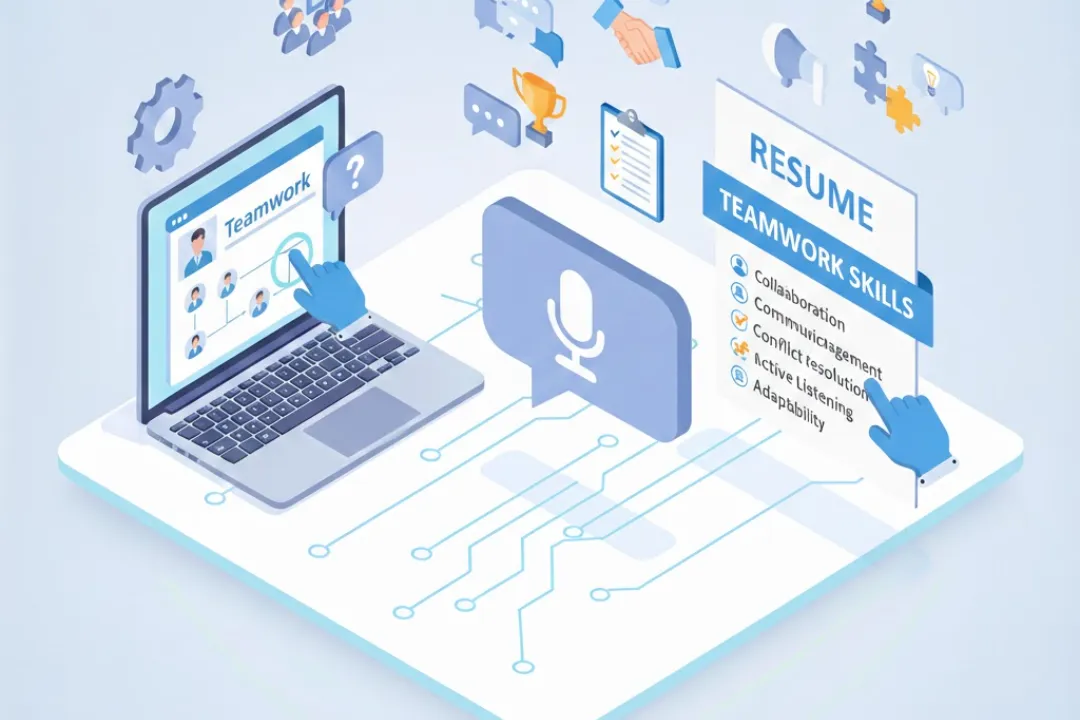
In today’s collaborative work environment, teamwork skills have become one of the most sought-after qualities employers look for in candidates. Whether you’re applying for an entry-level position or a senior management role, demonstrating your ability to work effectively with others can set you apart from the competition. This comprehensive guide explores the most valuable teamwork skills to include on your resume and provides concrete examples to help you showcase your collaborative abilities.
Why Teamwork Skills Matter
Employers consistently rank teamwork among the top soft skills they seek in candidates. According to recent workplace surveys, over 75% of employers value collaboration skills as highly as technical expertise. Modern workplaces rely on cross-functional teams, remote collaboration, and diverse groups working toward common goals. Your ability to navigate these dynamics directly impacts productivity, innovation, and workplace culture.
Highlighting teamwork skills on your resume signals to potential employers that you can contribute to a positive work environment, resolve conflicts constructively, and help achieve organizational objectives through collective effort.
Essential Teamwork Skills for Your Resume
Communication Skills
Effective communication forms the foundation of successful teamwork. This includes active listening, clearly articulating ideas, providing constructive feedback, and adapting your communication style to different audiences. On your resume, emphasize experiences where you facilitated meetings, presented to groups, or improved team communication processes.
Resume Example: “Facilitated weekly cross-departmental meetings with 15+ stakeholders, improving project alignment and reducing miscommunication by 30%”
Collaboration and Cooperation
The ability to work harmoniously with colleagues toward shared objectives demonstrates your collaborative mindset. This skill involves being flexible, compromising when necessary, and supporting team members to achieve collective success rather than individual recognition.
Resume Example: “Collaborated with design and marketing teams to launch 5 successful product campaigns, generating $2M in revenue”
Active Listening
Active listening means fully concentrating on what others say, understanding their perspectives, and responding thoughtfully. This skill builds trust and ensures everyone’s voice is heard in team settings.
Resume Example: “Implemented active listening techniques during client consultations, increasing customer satisfaction scores by 25%”
Conflict Resolution
Disagreements are inevitable in team environments. Your ability to mediate disputes, find common ground, and maintain professional relationships during conflicts is invaluable.
Resume Example: “Mediated team conflicts and developed resolution protocols that improved department morale and reduced turnover by 15%”
Reliability and Accountability
Teams depend on members who consistently deliver on commitments and take ownership of their responsibilities. Demonstrating reliability builds credibility and trust within your team.
Resume Example: “Maintained 100% on-time project delivery rate across 20+ team initiatives over two years”
Flexibility and Adaptability
Successful team members adjust to changing circumstances, take on different roles as needed, and remain open to new approaches and ideas.
Resume Example: “Adapted to shifting project priorities and assumed additional responsibilities during team transitions, ensuring zero disruption to deliverables”
Problem-Solving
Teams face challenges that require collective brainstorming and innovative solutions. Your ability to contribute to problem-solving discussions adds significant value.
Resume Example: “Led brainstorming sessions that generated 15+ innovative solutions, reducing operational costs by $50,000 annually”
Leadership and Initiative
Even if you’re not in a formal leadership role, taking initiative and motivating others demonstrates valuable teamwork qualities.
Resume Example: “Mentored 8 junior team members, improving their productivity by 40% and accelerating their professional development”
Emotional Intelligence
Understanding and managing emotions—both your own and others’—helps you navigate interpersonal dynamics and build stronger team relationships.
Resume Example: “Utilized emotional intelligence to build rapport with diverse stakeholders, improving cross-cultural team collaboration”
Delegation and Trust
Knowing when to delegate tasks and trusting team members to execute them effectively demonstrates confidence in your colleagues and optimizes team efficiency.
Resume Example: “Effectively delegated tasks among 6-person team based on individual strengths, completing projects 20% faster than estimated”
How to Showcase Teamwork Skills on Your Resume
Use the STAR Method
Structure your accomplishments using Situation, Task, Action, and Result. This approach provides context and demonstrates the impact of your teamwork abilities.
Quantify Your Achievements
Whenever possible, include numbers, percentages, or specific outcomes that resulted from your collaborative efforts. Metrics make your accomplishments more credible and impressive.
Tailor to the Job Description
Review the job posting carefully and identify which teamwork skills the employer emphasizes. Prioritize those skills in your resume, using similar language to what appears in the job description.
Include Throughout Your Resume
Don’t limit teamwork skills to a dedicated skills section. Integrate them throughout your work experience, volunteer activities, and even your professional summary.
Provide Specific Examples
Avoid generic statements like “excellent team player.” Instead, describe specific situations where you demonstrated teamwork skills and the positive outcomes that resulted.
Common Mistakes to Avoid
Don’t claim teamwork skills without evidence. Employers want to see proof through concrete examples and achievements. Avoid overusing buzzwords without substance, and ensure every teamwork skill you list is backed by a real accomplishment.
Additionally, don’t ignore individual contributions. While emphasizing teamwork is important, employers also want to understand your unique role in team successes.
Final Tips for Success
Remember that teamwork skills develop over time through practice and experience. If you’re early in your career, draw examples from academic projects, volunteer work, sports teams, or extracurricular activities. These experiences are just as valid for demonstrating collaborative abilities.
Keep your resume updated as you gain new teamwork experiences. Regular updates ensure you don’t forget important accomplishments and help you track your professional growth. Consider maintaining a career journal where you document team successes and your specific contributions.
Finally, be prepared to discuss your teamwork skills during interviews. Your resume examples should serve as conversation starters that allow you to elaborate on your collaborative approach and problem-solving abilities in team settings.
Conclusion
Teamwork skills are essential in virtually every industry and role. By strategically highlighting your collaborative abilities with specific examples and measurable results, you demonstrate to potential employers that you’re not just a qualified candidate but a valuable team member who can contribute to organizational success. Take time to reflect on your past experiences, identify instances where you demonstrated strong teamwork skills, and craft compelling resume statements that showcase your ability to work effectively with others. Your next career opportunity may depend on how well you communicate your collaborative strengths.