
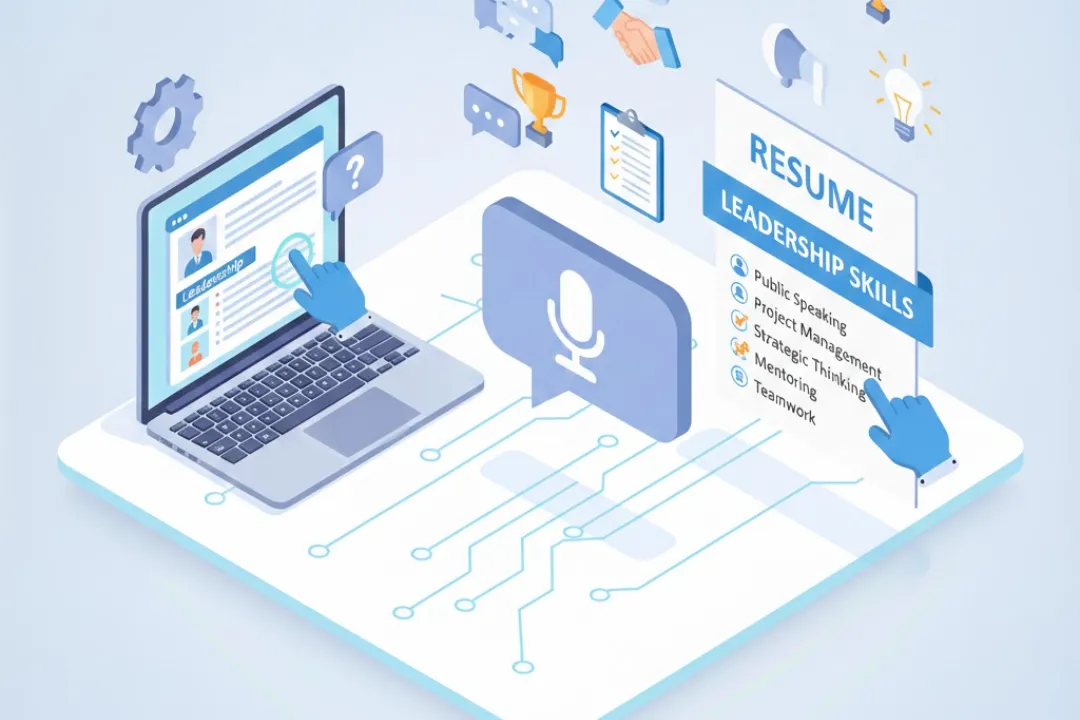
In today’s competitive job market, leadership skills have become essential qualifications that employers actively seek, regardless of the position level. Whether you’re applying for a management role or an entry-level position, demonstrating leadership capabilities on your resume can significantly enhance your candidacy and set you apart from other applicants.
Why Leadership Skills Matter on Your Resume
Leadership skills transcend traditional management positions. Employers value candidates who can take initiative, inspire colleagues, and drive results even without formal authority. These competencies signal your potential for growth, your ability to contribute to team success, and your readiness to handle increased responsibilities. Including relevant leadership skills on your resume demonstrates that you’re not just a task executor but a potential catalyst for organizational improvement.
Strategic Planning and Vision
Strategic planning represents one of the most valued leadership competencies. This skill involves setting long-term goals, identifying resources needed to achieve them, and creating actionable roadmaps for success. When adding strategic planning to your resume, include specific examples such as developing departmental initiatives, creating project timelines, or implementing new processes that aligned with organizational objectives. Quantify your achievements whenever possible, such as mentioning how your strategic approach increased efficiency by a certain percentage or contributed to revenue growth.
Team Building and Collaboration
Effective leaders excel at assembling high-performing teams and fostering collaborative environments. Team building skills encompass recruiting talent, delegating responsibilities appropriately, and creating cohesive groups that work toward common goals. On your resume, highlight instances where you’ve formed cross-functional teams, mentored junior colleagues, or facilitated collaboration between departments. Emphasize outcomes like improved team productivity, reduced turnover rates, or successful project completions that resulted from your team-building efforts.
Communication and Active Listening
Communication stands as the cornerstone of effective leadership. This multifaceted skill includes verbal and written communication, presentation abilities, and perhaps most importantly, active listening. Strong leaders articulate vision clearly, provide constructive feedback, and ensure information flows effectively throughout the organization. When showcasing communication skills on your resume, reference specific accomplishments such as delivering presentations to stakeholders, leading client negotiations, or creating communication protocols that enhanced organizational transparency.
Decision-Making and Problem-Solving
Leaders regularly face situations requiring quick, informed decisions. Decision-making skills demonstrate your ability to analyze information, weigh alternatives, consider risks, and choose optimal courses of action under pressure. Problem-solving complements this by showing how you identify challenges and develop creative solutions. Include examples on your resume that illustrate your analytical approach, such as resolving conflicts, troubleshooting operational issues, or making data-driven decisions that positively impacted business outcomes.
Delegation and Empowerment
Knowing when and how to delegate tasks represents crucial leadership wisdom. Effective delegation involves understanding team members’ strengths, assigning appropriate responsibilities, and trusting others to deliver results. This skill demonstrates confidence, organizational awareness, and the ability to maximize team potential. On your resume, mention instances where you successfully distributed workload, empowered team members to take ownership of projects, or developed others’ skills through strategic task assignment.
Emotional Intelligence and Empathy
Modern leadership increasingly emphasizes emotional intelligence—the ability to recognize, understand, and manage your own emotions while empathizing with others. Leaders with high emotional intelligence build stronger relationships, navigate conflicts more effectively, and create positive work environments. Demonstrate this skill by highlighting experiences where you mediated disputes, supported team members through challenges, or adapted your leadership approach to meet diverse team needs.
Adaptability and Change Management
In rapidly evolving business environments, adaptability has become indispensable. Leaders must navigate uncertainty, guide teams through transitions, and remain effective amid constant change. Change management skills show your ability to implement new systems, restructure processes, and help others embrace transformation. Include examples of leading organizational changes, adopting new technologies, or pivoting strategies in response to market shifts.
Accountability and Integrity
Taking responsibility for outcomes—both successes and failures—defines authentic leadership. Accountability means owning your decisions, meeting commitments, and holding yourself to high standards. Integrity involves leading by example and maintaining ethical standards. These qualities may be demonstrated through consistent track records, completion rates, or instances where you took responsibility for team outcomes and implemented improvements based on lessons learned.
Motivation and Inspiration
Great leaders inspire others to achieve their best work. Motivational skills involve recognizing achievements, providing encouragement, and creating environments where people feel valued and driven to excel. On your resume, showcase how you’ve boosted team morale, increased engagement scores, or created recognition programs that enhanced performance and job satisfaction.
Conflict Resolution
Disagreements inevitably arise in any workplace, and leaders must address them constructively. Conflict resolution skills demonstrate your ability to mediate disputes, find common ground, and maintain productive relationships despite differences. Include examples of successfully resolving team conflicts, negotiating compromises, or facilitating difficult conversations that led to positive outcomes.
How to Present Leadership Skills Effectively
When adding leadership skills to your resume, integrate them throughout rather than simply listing them. Include them in your professional summary, weave them into job descriptions with specific achievements, and support them with quantifiable results. Use action verbs like “led,” “managed,” “coordinated,” “mentored,” and “developed” to convey leadership actively.
Tailor your leadership skills to match job requirements, emphasizing those most relevant to your target position. Back each skill with concrete examples demonstrating impact, and whenever possible, include metrics that prove your effectiveness.
Mentorship and Coaching
The ability to mentor and coach others represents a sophisticated leadership skill that employers highly value. Mentorship involves guiding less experienced colleagues, sharing knowledge, and helping others develop their careers. Coaching focuses on unlocking individual potential through supportive questioning and feedback. Demonstrate these skills by mentioning formal mentorship programs you’ve participated in, the number of team members you’ve developed, or career advancement achieved by those you’ve mentored.
Conclusion
Leadership skills have become fundamental qualifications across all career levels and industries. By strategically incorporating these competencies into your resume with supporting evidence and measurable results, you position yourself as a valuable candidate ready to contribute meaningfully to organizational success and growth. Remember that effective leadership continues evolving, so regularly update your skills and showcase your commitment to continuous improvement as a leader.