
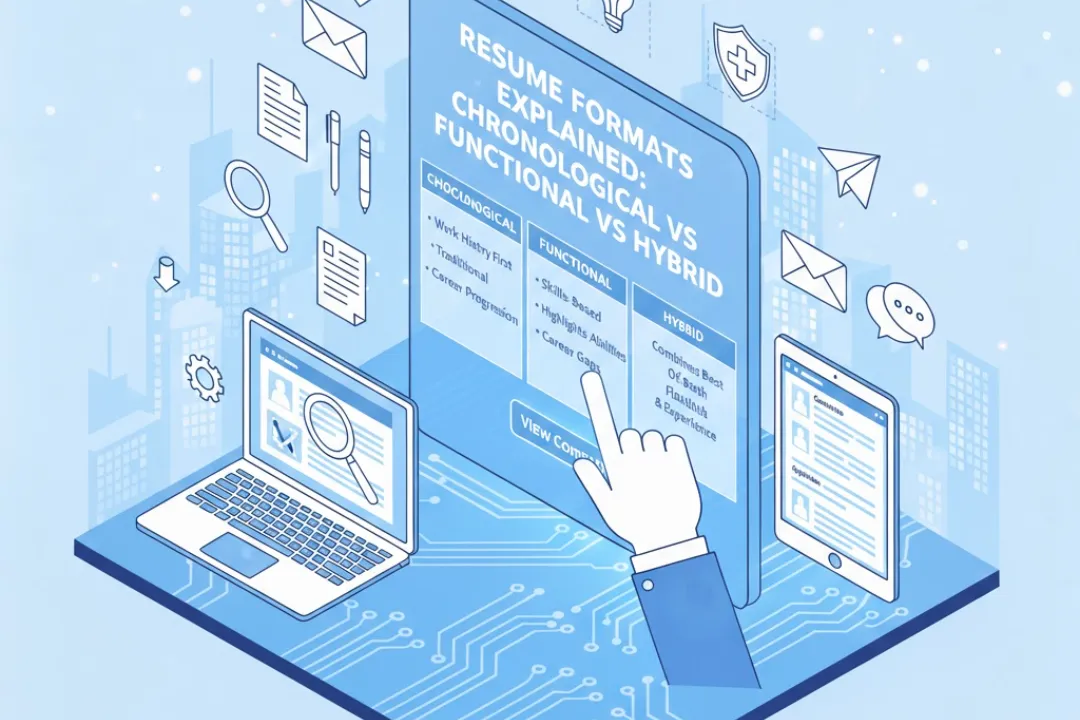
Choosing the right resume format is one of the most critical decisions in your job search journey. The format you select determines how your qualifications are presented to potential employers and can significantly impact whether your resume makes it past applicant tracking systems and into the hands of hiring managers. Understanding the three primary resume formats—chronological, functional, and hybrid—enables you to strategically showcase your strengths while minimizing potential weaknesses in your professional profile.
The Chronological Resume Format: The Traditional Standard
The chronological resume format is the most widely used and recognized format by employers and recruiters worldwide. This format organizes your work experience in reverse chronological order, with your most recent position listed first and earlier roles following in descending order.
Structure and Components:
A chronological resume typically begins with your contact information, followed by a professional summary or objective statement. The work experience section takes center stage, positioned prominently after your summary. Each position includes the company name, your job title, employment dates, and bullet points describing your responsibilities and achievements.
The education section follows your work history, along with additional sections for skills, certifications, volunteer work, and professional affiliations. The straightforward progression from most recent to oldest employment creates a clear narrative of career development and advancement.
Advantages of the Chronological Format:
This format excels at demonstrating career progression and stability. Employers can quickly see how you’ve advanced through increasingly responsible positions, which is particularly impressive when you’ve climbed the ladder within the same industry. Hiring managers appreciate the transparency and ease of reviewing your work history timeline.
Applicant tracking systems are optimized to parse chronological resumes, making this format the safest choice for ensuring your resume is properly read by automated screening software. The familiarity of this format also means recruiters can quickly locate the information they need without having to decode an unconventional layout.
Ideal Candidates for Chronological Format:
This format works best for professionals with consistent work history in the same field, those seeking positions similar to their current or recent roles, and individuals who have demonstrated clear career advancement. If you have a solid employment record with recognizable companies and minimal gaps, the chronological format showcases these strengths effectively.
Disadvantages to Consider:
The chronological format can highlight employment gaps, making them immediately visible to reviewers. Frequent job changes become obvious, potentially raising concerns about commitment or fit. For career changers, this format may emphasize experience in an unrelated field rather than transferable skills relevant to the target position.
The Functional Resume Format: Skills-Based Approach
The functional resume format shifts focus away from chronological work history and instead emphasizes skills, competencies, and achievements. This format organizes content by skill categories rather than by employment timeline, allowing candidates to showcase their abilities independent of when or where they were developed.
Structure and Components:
After contact information and a professional summary, a functional resume features prominent skill-based sections with headings like “Project Management,” “Technical Expertise,” or “Customer Relations.” Under each category, you include relevant accomplishments and experiences that demonstrate proficiency in that area.
The work history section appears near the bottom of the resume, often condensed to a simple listing of job titles, company names, and employment dates without detailed descriptions. Education and additional sections round out the resume.
Advantages of the Functional Format:
This format excels at highlighting transferable skills, making it valuable for career changers who want to emphasize relevant capabilities rather than unrelated job titles. It effectively minimizes employment gaps by de-emphasizing the chronological timeline. For individuals with diverse experiences across multiple industries, the functional format creates cohesion by grouping similar skills together.
Recent graduates or professionals re-entering the workforce can use this format to emphasize skills developed through education, volunteer work, or other non-traditional experiences. The skills-first approach allows you to align your qualifications directly with job requirements.
Ideal Candidates for Functional Format:
Career changers transitioning into new industries benefit significantly from this format. Professionals with gaps in employment history, freelancers and consultants with varied project-based work, and individuals with extensive volunteer experience that’s more relevant than paid work find the functional format advantageous.
Disadvantages to Consider:
Many recruiters and hiring managers view functional resumes with skepticism, suspecting candidates are trying to hide something. Applicant tracking systems often struggle to properly parse functional resumes, potentially causing your application to be rejected automatically. The lack of clear employment timeline can raise red flags about work history consistency.
Employers in traditional industries particularly dislike functional resumes because they make it difficult to assess career progression and verify employment. Some companies explicitly request chronological formats, making functional resumes unsuitable for certain applications.
The Hybrid Resume Format: Combining Strengths
The hybrid resume format, also called the combination format, merges the best elements of chronological and functional formats. This versatile approach allows you to highlight relevant skills while still providing a clear employment history.
Structure and Components:
A hybrid resume begins with contact information and a compelling professional summary. This is followed by a skills or qualifications summary section that highlights your key competencies, often organized into categories with brief supporting examples.
The work experience section follows, presented in reverse chronological order like a traditional resume. However, the descriptions focus on achievements and results that demonstrate the skills mentioned earlier. Education and additional sections complete the resume.
Advantages of the Hybrid Format:
This format provides maximum flexibility, allowing you to emphasize both skills and work history strategically. You can lead with your strongest qualifications while still satisfying employer expectations for chronological employment verification. The hybrid format works well across industries and experience levels.
By showcasing skills upfront, you immediately demonstrate alignment with job requirements while the chronological work history provides context and credibility. This format accommodates diverse career paths better than strictly chronological or functional approaches.
Ideal Candidates for Hybrid Format:
Professionals with strong skill sets and solid work histories find this format ideal. Career changers with some relevant experience can use it to bridge old and new career paths. Senior-level candidates who want to emphasize leadership competencies while showing career progression benefit from the hybrid approach.
Individuals returning to the workforce after gaps can strategically highlight current skills while providing employment context. Technical professionals who need to showcase both technical competencies and work experience find this format particularly effective.
Disadvantages to Consider:
Hybrid resumes risk becoming lengthy if not carefully edited, potentially extending beyond the ideal one or two pages. The format requires more strategic thinking to execute effectively, and poorly constructed hybrid resumes can appear cluttered or confusing. Some conservative industries may still prefer purely chronological formats.
Making Your Format Decision
Selecting the right resume format depends on your unique career situation, the industry you’re targeting, and the specific job requirements. Analyze your professional strengths and challenges honestly. If you have strong, consistent work history in your field, chronological is likely your best choice. If you’re changing careers or have significant gaps, consider hybrid format to balance skills and experience.
Research your target industry’s preferences and review job postings carefully for clues about employer expectations. When in doubt, the hybrid format offers a safe middle ground that satisfies most requirements while providing flexibility to showcase your qualifications strategically. Whichever format you choose, ensure content is tailored to each application, emphasizing the most relevant qualifications for specific positions.